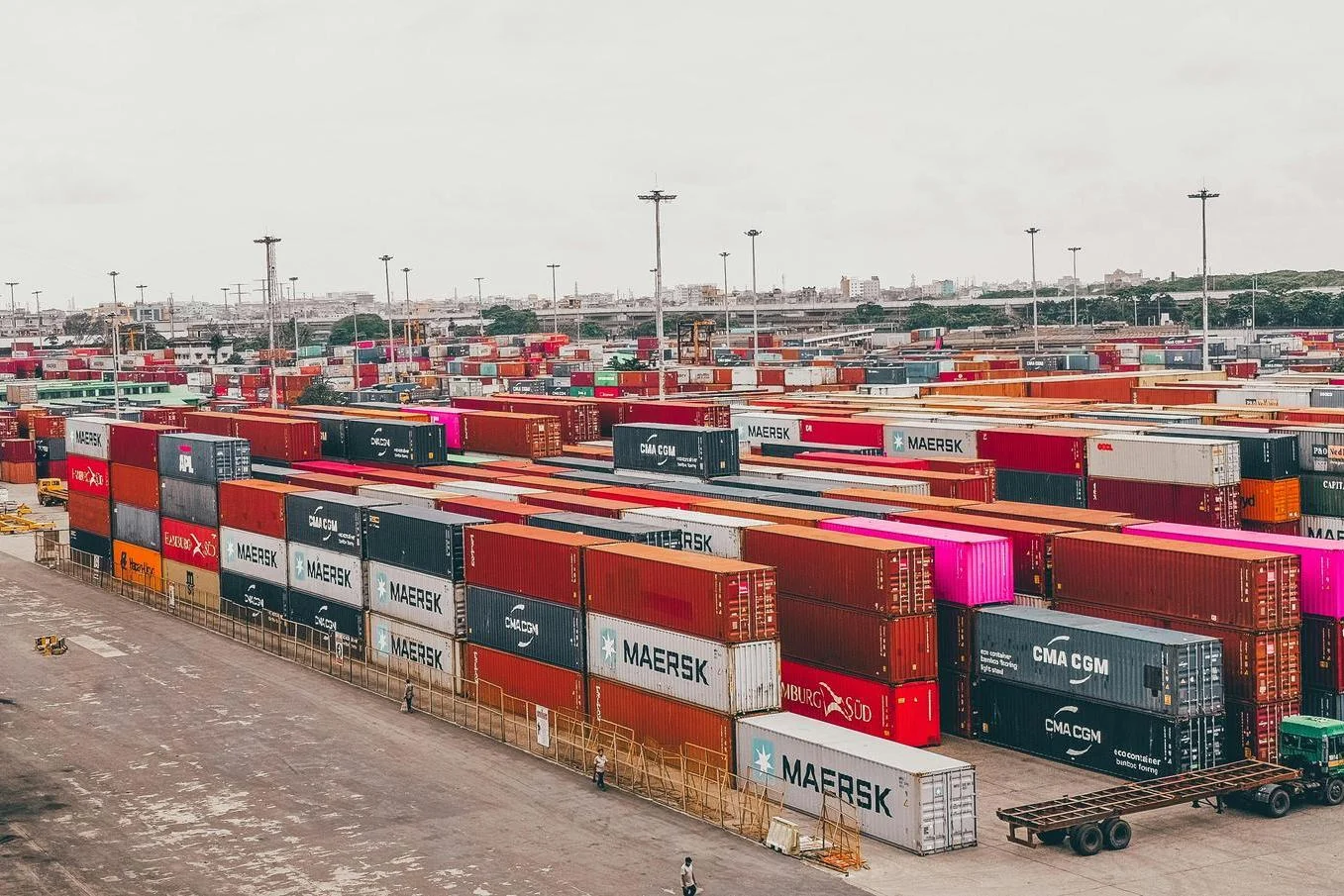
China's bonded warehouse and free trade zone (FTZ) network is one of the most extensive in the world — and one of the most misunderstood. For international traders, these facilities offer powerful advantages: duty deferral, simplified customs procedures, and strategic inventory positioning. But navigating the rules requires understanding which type of facility suits your operation and what compliance obligations come with it.
This guide explains the landscape from end to end — including the differences between bonded warehouses and FTZs, the practical benefits for importers and exporters, and how to choose the right arrangement for your supply chain.
What Is a Bonded Warehouse?
A bonded warehouse is a customs-supervised facility where imported goods can be stored without payment of import duties and VAT until they are released into the Chinese domestic market. Goods can remain in bonded storage for up to one year (extendable in some cases). While in bond, goods may also undergo simple processing such as repackaging, labelling, sorting, or quality inspection — but not substantial manufacturing transformation.
There are several types of bonded warehouses in China, each designed for a specific use case:
- Public bonded warehouses — Open to any importer, operated by licensed third-party logistics companies. Suitable for traders without their own bonded facility.
- Private (self-use) bonded warehouses — Operated by a single company for its own imported goods. Requires significant investment and customs approval.
- Bonded logistics centres (Type A and B) — Larger facilities with more operational flexibility, including consolidation, deconsolidation, and transit operations. Type B centres are typically located near major ports.
- Export supervision warehouses — For goods that have been declared for export but have not yet physically departed. Exporters can receive their VAT rebate upon entry into the warehouse rather than waiting for vessel departure — a significant cash flow advantage.
Free Trade Zones: More Than Just Bonded Storage
China operates 21 Pilot Free Trade Zones (FTZs), with the first established in Shanghai in 2013. FTZs are designated geographic areas where special customs supervision policies apply. Unlike a simple bonded warehouse, an FTZ is an entire zone — often covering tens of square kilometres — where companies can benefit from:
- Duty-free entry of goods — Goods entering the FTZ from overseas are exempt from import duties and VAT until they leave the zone for the domestic market
- Simplified customs procedures — Streamlined declarations, reduced inspection rates, and in many cases, "first-line liberalisation" where goods move freely between the FTZ and overseas
- Processing and manufacturing — Unlike basic bonded warehouses, FTZs permit substantial manufacturing and processing operations, with duty only levied on the finished product when it enters the domestic market
- Financial services — FTZs often have relaxed foreign exchange controls, allowing companies to hold foreign currency accounts and settle trade in multiple currencies
The key distinction: a bonded warehouse is a single facility; an FTZ is a jurisdiction. Within an FTZ, there may be dozens of bonded warehouses, factories, logistics centres, and commercial operations, all governed by the same zone-level customs policies.
Key FTZs for International Trade
Not all FTZs are equally relevant for trade. The following zones are particularly important for importers and exporters due to their port access and logistics infrastructure:
- Shanghai (Yangshan) FTZ — The largest and most developed, encompassing Yangshan Deep Water Port (the world's busiest container port), Pudong Airport, and the Waigaoqiao bonded area. Best for: consolidated cargo, e-commerce returns, and high-value goods.
- Guangdong (Qianhai & Shekou) FTZ — Adjacent to Shenzhen and Hong Kong, with strong financial services integration. Best for: electronics, cross-border e-commerce, and Hong Kong transshipment.
- Zhejiang (Zhoushan) FTZ — Focused on bulk commodities and oil/gas trading. Best for: bulk raw materials, chemicals, and energy products.
- Tianjin FTZ — Northern China's primary trade gateway, with strong automotive and aerospace industry connections. Best for: industrial machinery, vehicles, and heavy equipment.
Practical Benefits for Importers
For importers bringing goods into China, bonded facilities offer three main advantages:
1. Duty Deferral
Import duties and VAT are not payable until goods are withdrawn from bonded storage for domestic sale. For high-value inventory held for extended periods, this represents significant working capital savings. A container of electronics worth $200,000, held for six months in bond, defers approximately $45,000 in duties and VAT that would otherwise be tied up.
2. Market Testing and Quality Control
Importers can bring goods into China, store them in bond, conduct quality inspections and product testing, and make the final decision to import only after confirming the goods meet specifications. If the goods fail inspection, they can be re-exported without ever incurring duty liability — a critical risk management tool.
3. Just-in-Time Domestic Distribution
Rather than clearing an entire container through customs at once, importers can withdraw goods from bonded storage in smaller batches as domestic orders are received. This smooths cash flow and reduces the fixed cost of clearance. Each partial withdrawal is declared separately, with duties paid only on the released portion.
Practical Benefits for Exporters
Exporters also benefit significantly from bonded and FTZ arrangements:
- Early VAT rebate — Goods stored in an export supervision warehouse are treated as having been exported for VAT rebate purposes as soon as they enter the warehouse, even before vessel departure. This can accelerate rebate receipt by 7–14 days.
- Consolidation and deconsolidation — Exporters can consolidate goods from multiple factories into bonded logistics centres, creating full container loads (FCL) from less-than-container loads (LCL), significantly reducing per-unit freight costs.
- Value-added services — Goods in bonded storage can be repackaged, labelled, kitted, or quality-checked before final export, all without incurring domestic taxes.
Compliance Requirements
Operating in a bonded facility requires strict customs compliance. Key obligations include:
- Inventory record-keeping — Every movement of goods into and out of bonded storage must be documented in the customs supervision system. Physical inventory must reconcile with system records at all times.
- Periodic reporting — Bonded warehouse operators must file periodic reports with customs detailing stock levels, movements, and any goods approaching the one-year storage limit.
- Physical supervision — Customs reserves the right to conduct unannounced physical inspections of bonded facilities. CCTV coverage and electronic seal systems are mandatory for most bonded warehouses.
- Processing restrictions — Only approved simple processing operations are permitted within bonded warehouses. Substantial manufacturing or transformation requires an FTZ-based setup with a separate manufacturing license.
Choosing the Right Facility
The decision between a bonded warehouse and an FTZ arrangement depends on your specific needs:
- Choose a public bonded warehouse if you mainly need duty-deferred storage, occasional repackaging, and flexible domestic distribution — without the complexity of operating your own facility.
- Choose an FTZ-based operation if you need manufacturing or substantial processing capability, multi-currency financial services, or a long-term strategic presence in China with streamlined customs procedures.
For most international traders, using a public bonded warehouse through a customs clearance partner provides the best balance of flexibility, cost, and compliance simplicity. Our team maintains relationships with bonded facilities at all major Chinese ports and can arrange storage, processing, and partial clearance on your behalf.
For a complete walkthrough of the standard clearance process, see our guide on China customs clearance step-by-step. For duty calculation and cost optimisation, read our guide on China import duties and tariffs.